

The hygienic choice: A comparison of surfaces for clinical environments
- 2 August 2025|
- Blogs|
- Sameer Sawant
Choosing the right surface material is critical in delivering safe, sterile, and durable healthcare spaces. In healthcare environments, surface materials aren’t just a design decision, they are central to patient safety, infection control, and the effectiveness of cleaning protocols. Architects, specifiers, and healthcare providers must prioritise materials that support constant cleaning, resist contamination, and align with national best practice.
Velstone vs. Laminate & Stainless Steel
| Surface Material | Features |
| Solid Surface (Velstone) | Seamless, non-porous, durable, HTM 63-compliant, antimicrobial, easy to repair |
| Laminate | Porous edges, visible joins, prone to moisture damage and microbial growth |
| Stainless Steel | Hygienic but noisy, cold, and difficult to repair or maintain aesthetics |
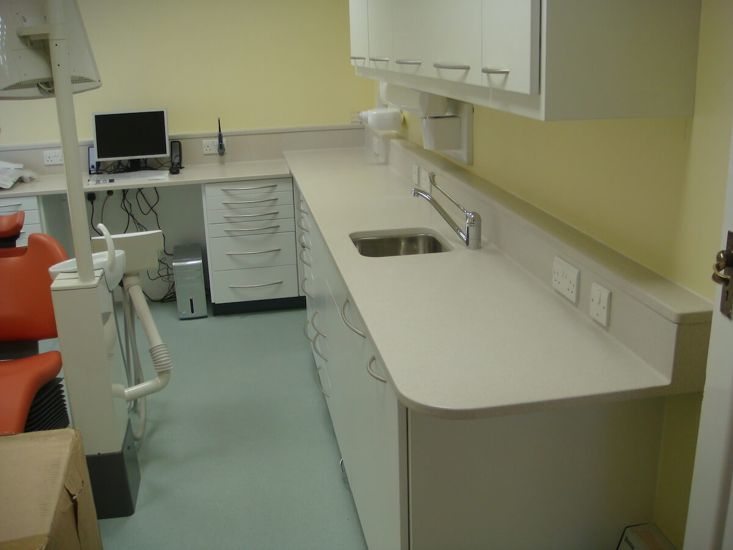
Why surface selection matters in healthcare design
At Velstone, we understand the high-stakes demands of healthcare design. Our HTM 63-compliant solid surfaces are engineered specifically for healthcare settings, offering durability, seamless installation, and the highest hygiene standards. Below, we compare Velstone’s solid surfaces with traditional alternatives like laminate and stainless steel to highlight why we are the trusted name in healthcare surface solutions.
What are the most hygienic surfaces for healthcare design?
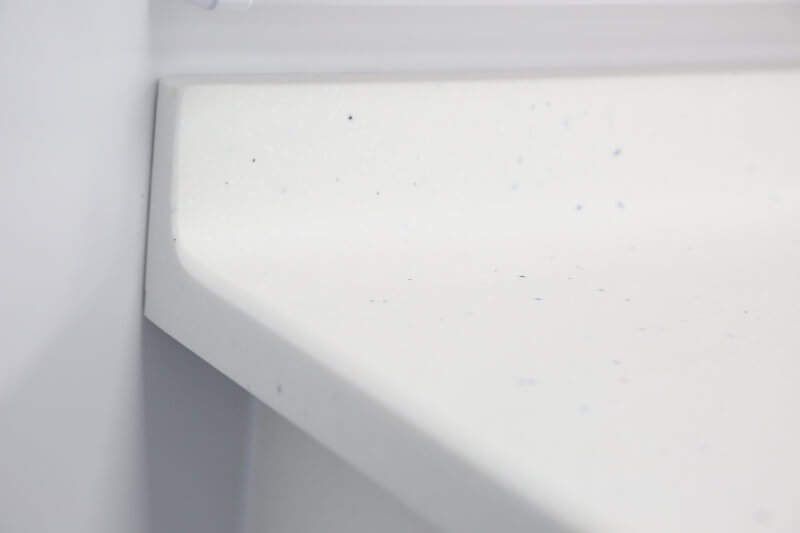
In any healthcare facility, the selection of hygienic surfaces is crucial to preventing contamination and supporting infection control efforts. Below is a comparison of common materials used in healthcare interior design:
Velstone Solid Surface
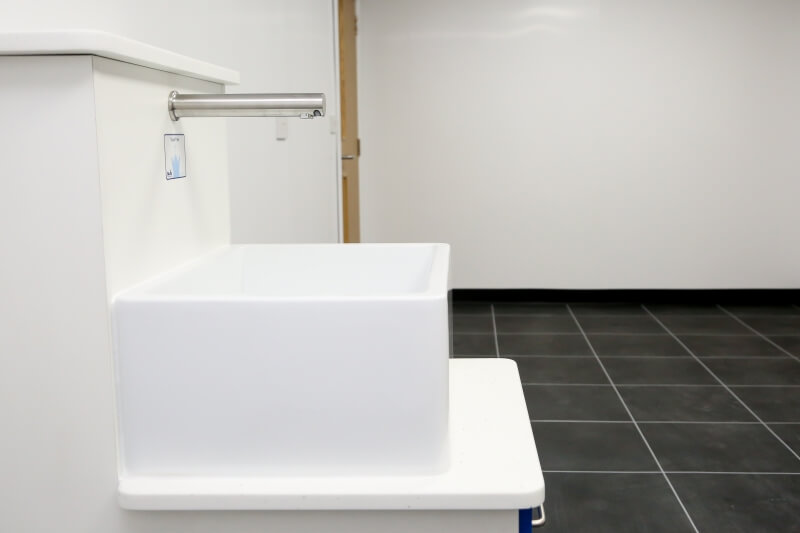
- HTM 63-compliant 25mm solid surface with no MDF core
- Non-porous: Resists moisture and eliminates bacterial ingress
- Seamless joins: No crevices for the growth of bacteria
- Highly durable: Withstands wear, stains, and heat
- Easy to repair: Affordable maintenance on-site
- Visually seamless: Enhances both cleanliness and design aesthetics
Laminate
- Edge strips and bonded layers leave visible joins, risking moisture and bacterial accumulation
- Limited durability under heavy usage and frequent cleaning
- Cannot be easily repaired once damaged
- Less resistant to stains and contamination
Stainless Steel
- Excellent hygiene performance but prone to dents and surface scratching
- Cold, clinical aesthetic; limited in interior design flexibility
- High cost and difficult to refurbish or repair
- Often used in surgical areas but less suitable for general patient rooms or nurse stations
The role of seamless design in infection control
Seamless joins are not just an aesthetic benefit; they are essential in healthcare settings. Every visible joint or corner increases the risk of harbouring bacteria, dust, or moisture. Velstone’s solid surfaces are fabricated to deliver continuous, joint-free installations using advanced adhesives that meet HTM 63 standards.
In contrast, laminate and steel surfaces typically require mechanical joints or bonding, creating entry points for contamination and undermining infection control protocols.
Durability meets hygiene in demanding healthcare settings
From patient rooms and dental surgeries to laboratories and nurse stations, the demands on healthcare surfaces are relentless. Velstone’s 25mm solid surface resists scratches, chemicals, and high temperatures, ensuring it remains functional and hygienic despite constant cleaning.
Our surfaces are also resistant to stains, a critical factor where spills and exposure to chemicals are routine. Laminate often warps or degrades over time, while stainless steel shows visible marks and is more challenging to maintain aesthetically.
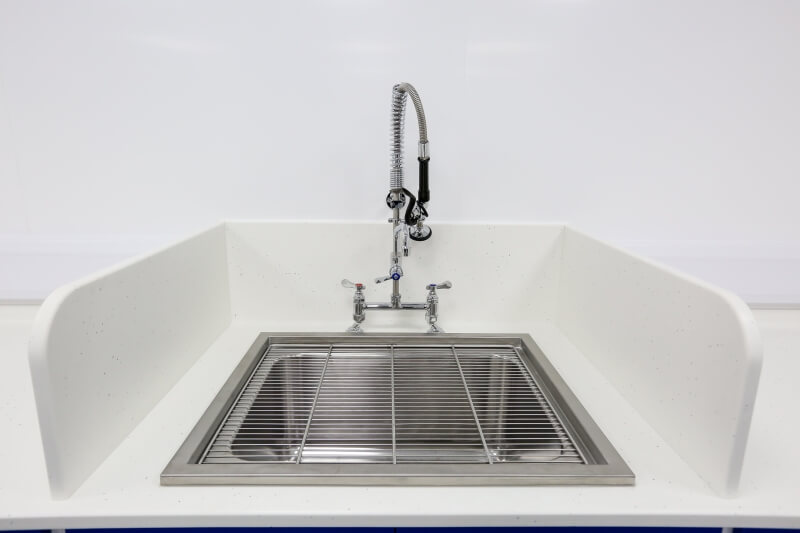
Trusted by healthcare providers across the UK
Velstone solid surfaces are the preferred choice for healthcare providers seeking to balance cost-efficiency, cleanliness, and long-term performance. Fully HTM 63-compliant, our solutions are already in use across NHS facilities, private clinics, and dental practices nationwide. We support architects and healthcare specifiers with:
- Custom fabrication to meet specific healthcare projects
- Advice on HTM 63 compliance and infection control
- Long-term value through durability and easy repairability
Ready to specify Velstone in your next healthcare project?
If you’re planning a new healthcare facility or upgrading existing healthcare environments, Velstone’s solid surfaces offer the best combination of hygiene, durability, and compliance. Contact our expert team today to discuss your next project, request a free sample, learn more about our HTM 63-compliant solid surface, and ensure your surfaces meet national best practice for clinical settings.
FAQ: Solid Surfaces for Clinical Environments
What makes solid surface better than laminate for infection control?
Solid surface such as Velstone are seamless and non-porous, providing a sterile surface and preventing the accumulation of dirt and dust that can lead to bacteria growth and contamination. It is also stain resistant, easy to clean and fully repairable.
Are Velstone surfaces suitable for all healthcare settings?
Absolutely, our solid surfaces adhere to HTM 63 specifications, ensuring they meet the required standards for healthcare environments. They’re ideal for patient rooms, labs, nurse stations, and more.