

Your essential pre-specification checklist for solid surfaces
- 23 May 2026|
- Blogs|
- Sameer Sawant
Architects and designers researching how to specify solid surface are rarely looking for inspiration alone. They are looking for certainty. Commercial specifications carry long-term responsibility, from durability and hygiene through to maintenance, compliance and lifecycle cost.
A solid surface countertop may look flawless on day one, yet fail prematurely if the wrong material, colour or fabrication method has been selected. This is particularly important in commercial spaces where surfaces face constant use, exposure to moisture, harsh chemicals and repeated cleaning cycles.
This guide provides a practical pre-specification checklist to help specifiers assess suppliers properly before writing a specification. By asking the right questions early, designers can reduce risk, avoid costly mistakes and specify solid surface materials with confidence.

Why your pre-specification process matters
Solid surface remains an excellent choice for hospitality, healthcare, education, leisure and retail projects because it combines durability, hygiene and design flexibility in one material.
Unlike laminate, which can delaminate when exposed to moisture, or natural stone and granite, which require sealing and contain visible seams, solid surface offers a seamless appearance with repairable surfaces and seamless joints.
However, not all solid surface materials perform equally.
One of the most common mistakes during specification is focusing entirely on appearance. Designers often prioritise branding and initial visual impact without considering how the surface will perform after 365 days of use. A dark, high-gloss countertop may look striking on day one yet quickly show minor scratches in a busy reception area or food service environment.
The first step should always be understanding where the surface is going and how it will be used. Is it appropriate for the intended environment? Is it suitable for heavy-use environments, for example?
Choosing new or cheap solid surface products without adequate research into their real‑world performance and history is a mistake long-term.
What is solid surface made of?
Understanding material composition is central to how to specify solid surface correctly. Solid surface is an engineered material manufactured from natural minerals, typically containing around 66–75% alumina trihydrate (ATH), combined with acrylic or polyester resins and pigments. This composition creates a non-porous material that delivers:
- Strong hygiene performance
- Resistance to stains and moisture
- Repairability
- Seamless fabrication
- Long-term durability
The composition matters because different resin systems behave differently during fabrication and long-term use.
Questions to ask your supplier about composition
Before specifying any product, confirm:
- Is the material acrylic-based, polyester-basedor blended?
- What is the ATH content?
- Is the material silica-free?
- Is the product homogenous throughout?
- Is colour surface-applied or consistent through the sheet?
Velstone solid surface is manufactured from natural minerals and is 100% silica-free, removing concerns associated with crystalline silica inhalation during fabrication and installation.
How to specify solid surface for different commercial environments

No single specification suits every project. A 13mm thickness and colour might be suitable for a hotel reception desk in a boutique hotel but that will not perform as well in a school laboratory. Making sure the correct thickness is specified is a priority for performance.
Velstone can be supplied in bespoke thicknesses, including 13mm which requires an added MDF or plywood substrate and a 25mm thickness which provides sufficient mechanical strength to support its own weight, eliminating the need for an MDF substrate and on-site templating.
Commercial environments place different demands on surfaces, particularly around hygiene, impact resistance and cleaning requirements.
Healthcare environments
Healthcare surfaces must prioritise hygiene and compliance, with applications including nurse stations, clinical worktops and wash areas. HTM 63 compliance is often essential within healthcare specifications.
Hospitality projects
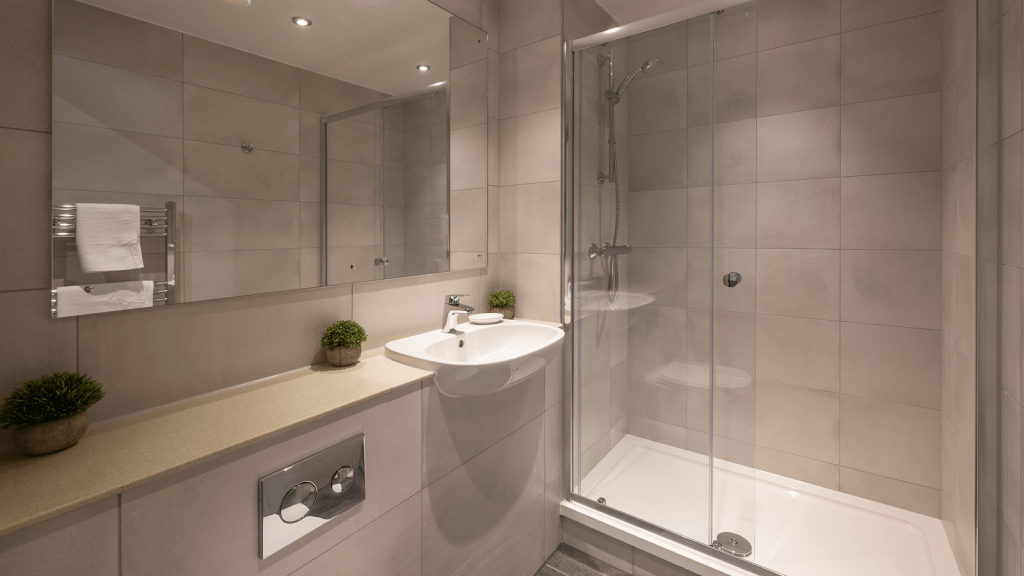
Hotels require materials that combine elegance and bespoke branding colours with durability and functionality, with common applications including bathroom vanities, reception desks, kitchen countertops, bar tops and guestroom countertops. Consistency across multi-room programmes also becomes important, particularly when colour matching is required.
Education and laboratories
Education settings demand strong resistance to stains, impacts and harsh chemicals. Solid surface is commonly specified for laboratory worktops, dining surfaces, wash stations and student accommodation rooms.
Leisure and retail
Retail and leisure environments experience constant contact and visual scrutiny. Applications include cashier desks, food counters and kiosks. In these environments, seamless joints help improve hygiene while reducing dirt traps and maintenance issues.
The right colour selection

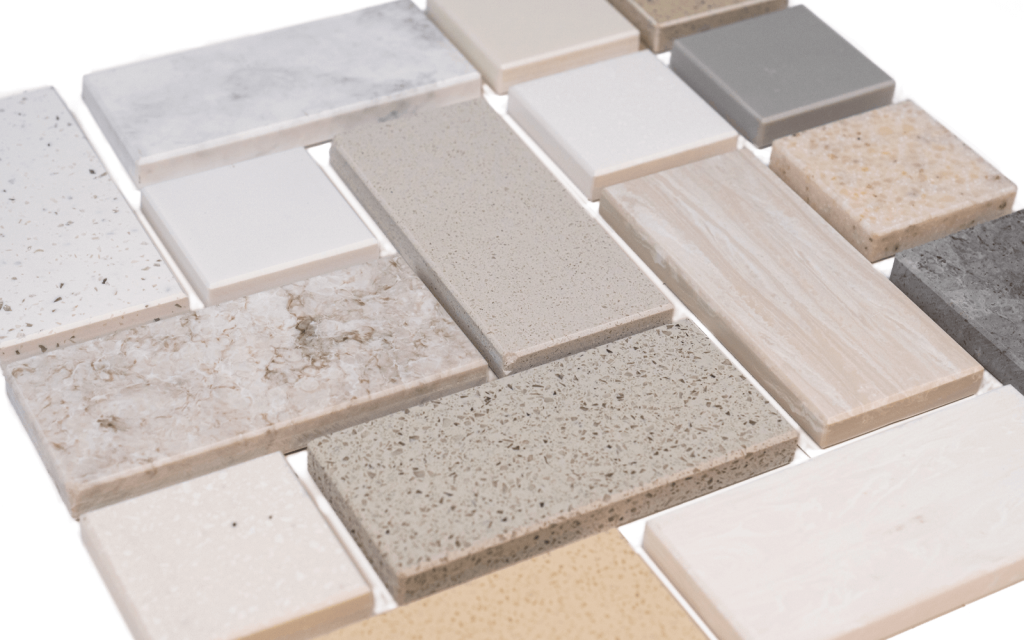
Colour selection is not purely an aesthetic decision. The wrong colour in the wrong environment creates maintenance problems, inconsistent ageing and dissatisfied clients. Before approving a finish, ask:
- Is the colour available in the required thickness?
- Can the supplier provide RAL or Dulux matching?
- What is the batch colour consistency like?
Velstone offers bespoke colour matching across standard and custom shades, including RAL and Dulux references, supporting brand consistency across commercial interiors.
What performance standards should solid surface meet?
Performance documentation should never be difficult to obtain. Any credible supplier should provide certification quickly and clearly. If documentation is unavailable, it should raise concerns immediately. Key standards to confirm include:
BS 476 Part 7 Class 1 – This measures surface spread of flame and is frequently required for commercial interiors.
HTM 63 – HTM 63 compliance is vital in any healthcare environment when it comes to solid surfaces and furnishings.
RIPH&H certification – The Royal Institute of Public Health and Hygiene certification confirms hygiene performance.
Chemical resistance testing – Important for healthcare, education and catering environments where surfaces encounter harsh chemicals.
Mechanical strength data – Breaking strength matters for load-bearing countertop applications and large-span installations.
Velstone holds BS 476 Class 0 and Class 1 Fire ratings and has received Royal Institute of Public Health and Hygiene certification annually since 1994. Its healthcare solid surface materials also comply with HTM 63 requirements.
What support should your supplier provide?
Specifiers should also consider the supplier’s track record, including how long they have been operating in the market and where their product has been used, because credentials and longevity count.
Specification does not end at material selection either. Technical support directly affects programme delivery, installation quality and long-term performance. Questions to ask include:
- Does the supplier offer prefabricated solutions?
- What technical support does the supplier offer?
- Do they support projects from tender through to installation?
- What lead times apply for fabrication?
Why aftercare and repairability matter
One of the key advantages solid surfaces have over laminate, quartz, granite and some natural stone products is repairability. Minor scratches, surface marks and light wear can usually be sanded and restored without replacing the entire surface.
Solid surface remains consistent throughout the material thickness which allows it to maintain its seamless look over a much longer lifecycle. This is particularly valuable in hotels, schools, universities, food service environments and commercial washrooms.
Ready to start your solid surface specification?
Learning how to specify solid surface properly starts with asking the right questions before the project reaches tender stage. A robust specification protects performance, appearance and long-term value while helping architects and designers avoid unnecessary risk.
If you are specifying solid surface for healthcare, hospitality, education, leisure or retail projects, request a free Velstone sample or speak to the technical team about colours, thicknesses, support and compliance requirements for your next commercial project.